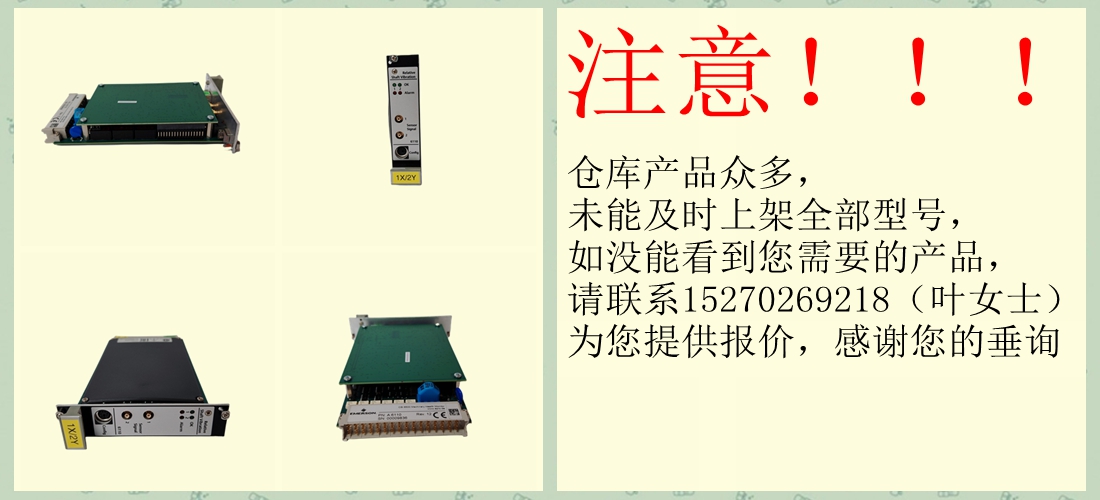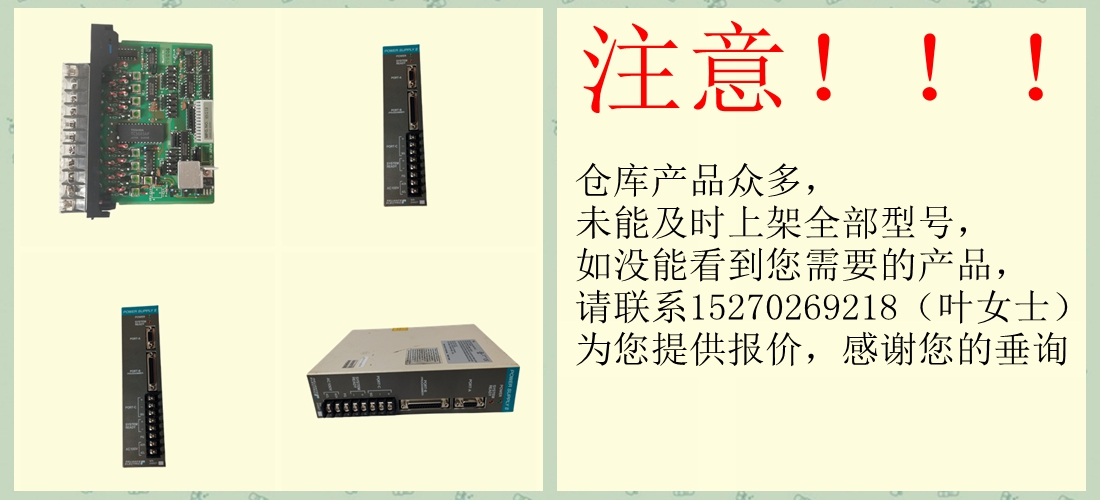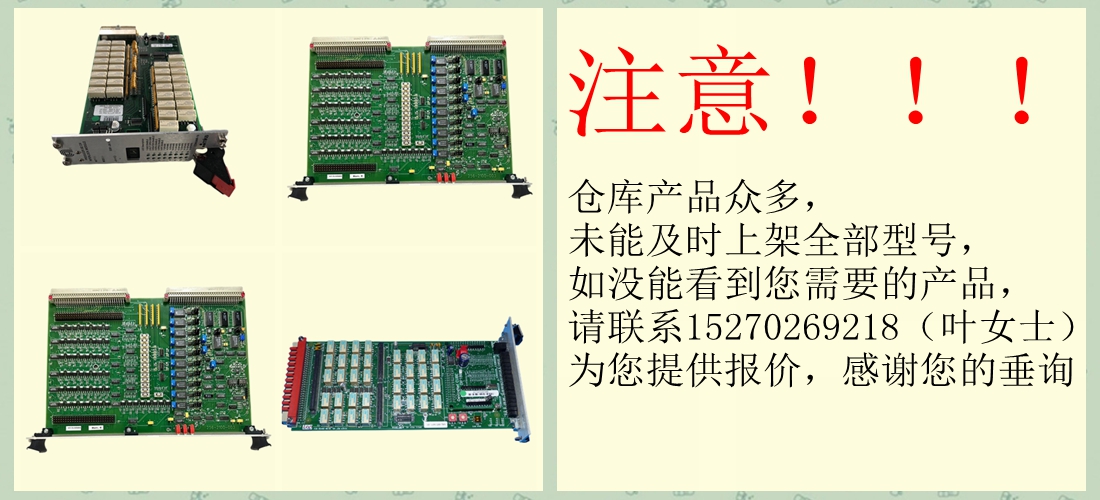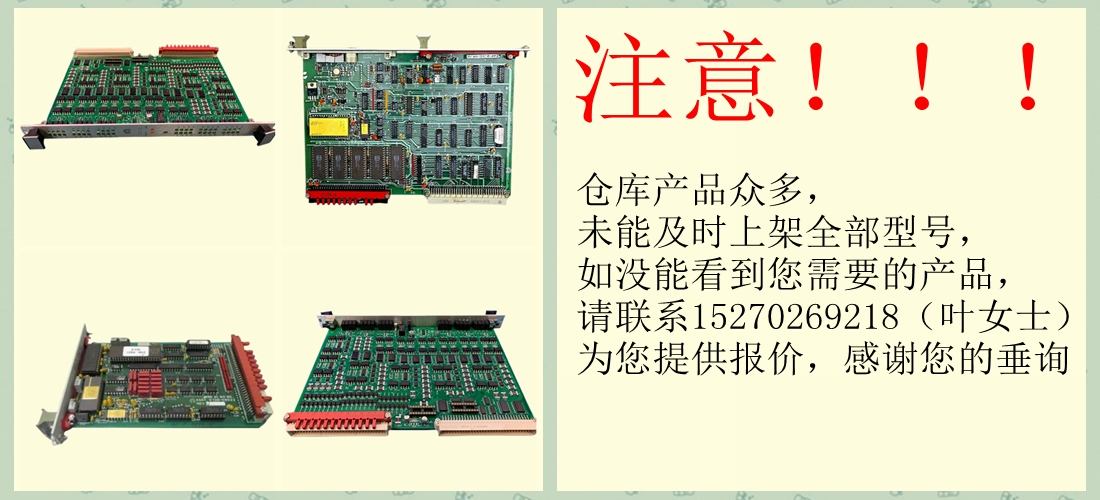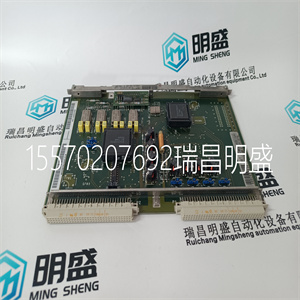
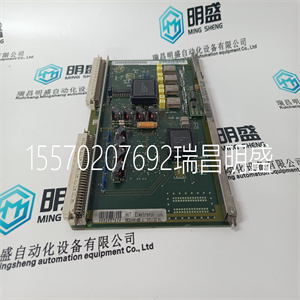
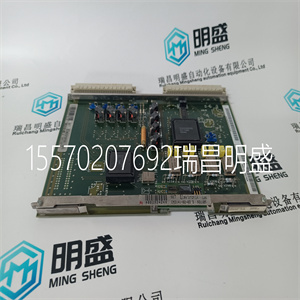
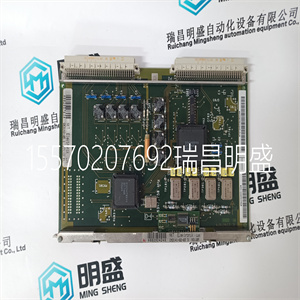
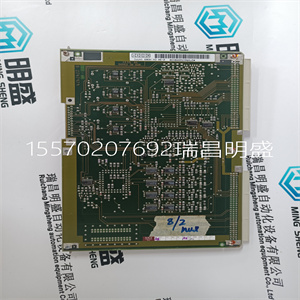


SAT CM3141-02-03 CX3149-05
以下是输入模块的许多操作特性,可以:
为特定应用定制。系统配置管理器
是一种允许用户配置特定操作特性的工具
对于每个模块。可为项目配置的项目的说明
可信24 Vdc数字输入模块T8403包含在可信工具集中
套件产品描述,发布ICSTT-RM249(PD-T8082)。
某些特性适用于整个模块,并被视为模块
可配置项。其他特性适用于单个输入通道
并且被认为是信道可配置项。有特定的默认值
每个可配置项的设置。如果默认设置是
适用于给定应用程序的模块定义自定义
不需要系统配置管理器。
系统INI文件
配置
罗克韦尔自动化出版物ICSTT-RM271Q-EN-P-2021 8月31日
第五章
活动
模块正面的状态指示灯可提供以下信息的视觉指示:
模块的运行状态和现场输入状态。每个LED都是三色LED
其中对于正常操作,仅使用两种颜色;红色和绿色。在
每个模块的顶部和底部都有一个推料器操纵杆,用于拆卸模块
从机箱中卸下模块。限位开关检测开关的打开/关闭位置
弹射杆。推料器操纵杆通常锁定在关闭位置
模块牢固地固定在控制器或扩展器机箱中。
图4:模块前面板
模块前面板上有六个模块状态指示灯;三个健康,
一个活动,一个备用,一个受教育。健康指标包括:
由每个模块片直接控制。主动、备用和受教育的
指示器由FPU控制。FPU接收来自每个处理器的数据
前面板
模块状态指示灯
第五章操作
32罗克韦尔自动化出版物ICSTT-RM271Q-EN-P-2021 8月
模块切片。FPU对来自切片的每个数据位执行2oo3表决
并相应地设置指示符。
模块状态LED状态及其含义描述如下:
表16模块状态指示灯
LED状态描述
正常关闭:模块未通电。
琥珀色片处于启动状态(安装后瞬间或
通电)。
绿色切片是健康的。
红色-相关切片上存在闪烁故障,但切片仍然存在
操作,或一个至机箱的24V馈线出现故障。
安装时红色(瞬时)-施加到相关片的电源。
红色:关联切片处于致命状态。出现严重故障
已检测到并禁用切片。
主动关闭模块未处于主动状态。
绿色模块处于激活(或保持)状态。
如果备用LED熄灭,则红色闪烁模块处于关闭状态。
如果备用LED也亮起,则红色闪烁模块处于致命状态
闪烁。
待机关闭模块未处于待机状态。
绿色模块处于待机状态。
红色闪烁模块处于致命状态。激活的LED也将被激活
闪烁着红色。
未对模块进行教育。
绿色模块受到教育。
处理器可以识别绿色闪烁模块,但无法识别教育
完成
琥珀色-正在闪烁主/备用切换。
模块前面板上有40个输入通道状态指示灯,其中一个用于
每个字段都是输入。这些指示器由FPU控制。FPU接收
来自每个模块切片的数据。FPU对每个项目进行2O3投票
并相应地设置指示符。
输入状态LED模式取决于现场I/O的电压电平
信号测量每个场输入电压,并将其与六个阈值进行比较
产生七个阈值频带的电平(四个可配置电平和两个固定电平)。
每个阈值频带可以被定义为具有特定的指示符模式:关,
绿色、红色、闪烁的绿色或闪烁的红色。
可配置的电压阈值和LED模式允许用户自定义
输入、测量和状态指示,以适应个别应用
要求。如果没有自定义,默认指示器模式为:
适用于无线路监控的数字输入,如下所述:
I/O状态指示灯
第五章操作
罗克韦尔自动化出版物ICSTT-RM271Q-EN-P-2021 8月33
表17默认I/O状态指示器
频道描述
断开、断开磁场开关(触点)或断路或在断开和闭合之间不确定
(状态1、2和3)。
绿色闭合场触点(触点)或短路(状态4和5)。
红色闪烁通道故障(状态7)。
提示:指示信道状态的LED可通过以下方式配置以满足用户要求:
实现用于配置系统的过程。可信工具集套件中详细介绍的INI文件
产品描述,发布ICSTT-RM249(PD-T8082)。
罗克韦尔自动化出版物ICSTT-RM271Q-EN-P-2021 8月35
第六章
故障查找和维护
将输入模块故障报告给用户th
SAT CM3141-02-03 CX3149-05
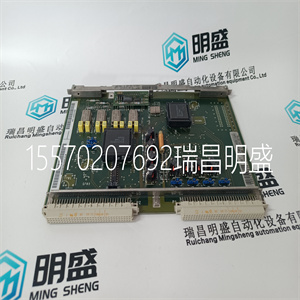
SAT CM3141-02-03 CX3149-05
here are many operating characteristics of the Input Module that can be customized for a particular application. The System Configuration Manager is a tool that allows the user to configure the specific operating characteristics for each Module. Descriptions of the items that may be configured for the Trusted 24 Vdc Digital Input Module T8403 are contained in Trusted Toolset Suite Product Description, publication ICSTT-RM249 (PD-T8082). Certain characteristics apply to the entire Module and are considered Module Configurable Items. Other characteristics apply to individual input channels and are considered Channel Configurable Items. There are specific default settings for each of the configurable items. If the default settings are appropriate for a given application, customization of the module definition in the System Configuration Manager is not required. System.INI file configuration Rockwell Automation Publication ICSTT-RM271Q-EN-P - August 2021 31 Chapter 5 Operation Status LEDs on the front of the Module provide visual indications of the module’s operational status and field input status. Each LED is a tri-color LED of which for normal operation, only two colors are used; red and green. At the top and bottom of each Module is an ejector lever that is used to remove the Module from the Chassis. Limit switches detect the open/closed position of the ejector levers. The ejector levers are normally latched closed when the Module is firmly seated into the Controller or Expander Chassis. Figure 4: Module Front Panel There are six module status LEDs on the Module Front Panel; three Healthy, one Active, one Standby, and one Educated. The Healthy indicators are controlled directly by each module slice. The Active, Standby, and Educated indicators are controlled by the FPU. The FPU receives data from each of the Front panel Module status LEDs Chapter 5 Operation 32 Rockwell Automation Publication ICSTT-RM271Q-EN-P - August 2021 module slices. The FPU performs a 2oo3 vote on each data bit from the slices and sets the indicators accordingly. The module status LED states and their meanings are described as follows: Table 16 Module Status LEDs LED State Description Healthy Off No power applied to the module. Amber Slice is in the startup state (momentary after installation or power-up). Green Slice is healthy. Red - flashing Fault present on the associated slice but the slice is still operational, or one 24V feed to the chassis has failed. Red (momentary) On installation – power applied to the associated slice. Red The associated slice is in the fatal state. A critical fault has been detected and the slice disabled. Active Off Module is not in the Active state. Green Module is in the Active (or Maintain) state. Red - flashing Module is in the shutdown state if the Standby LED is off. Red - flashing Module is in the fatal state if the Standby LED is also flashing. Standby Off Module is not in the Standby state. Green Module is in the Standby state. Red - flashing Module is in the fatal state. The Active LED will also be flashing red. Educated Off Module is not educated. Green Module is educated. Green - flashing Module is recognized by the Processor but education is not complete. Amber - flashing Active/standby changeover in progress. There are 40 input channel status LEDs on the Module Front Panel, one for each field input. These indicators are controlled by the FPU. The FPU receives data from each of the module slices. The FPU performs a 2oo3 vote on each data bit from the slices and sets the indicators accordingly. The input status LED mode is dependent upon the voltage level of the field I/O signal. Each field input voltage is measured and compared to six threshold levels (four configurable and two fixed) which produce seven threshold bands. Each threshold band can be defined to have a particular indicator mode: off, green, red, flashing green, or flashing red. The configurable voltage thresholds and LED modes allow users to customize the input measurement and status indications to suit individual application requirements. Without customization, the default indicator modes are suitable for digital inputs without line monitoring as described below: I/O status LEDs Chapter 5 Operation Rockwell Automation Publication ICSTT-RM271Q-EN-P - August 2021 33 Table 17 Default I/O status Indicators Channel Description Off Open field switch (contact) or open circuit or indeterminate between open and closed (states 1, 2, and 3). Green Closed field contact (contact) or short circuit (states 4 and 5). Red-flashing Channel Fault (state 7). Tip: The LEDs indicating channel status may be configured to suit user requirements by implementing the procedure for configuring the System.INI file detailed in Trusted Toolset Suite Product Description, publication ICSTT-RM249 (PD-T8082). Rockwell Automation Publication ICSTT-RM271Q-EN-P - August 2021 35 Chapter 6 Fault finding and maintenance Input Module faults are reported to the user through visual indicators (LEDs) on the Front Panel of the Module. Faults are also reported via status variables that may be automatically monitored in the application programs, and external system communications interfaces. There are generally two types of faults that must be remedied by the user; external wiring and module faults. External wiring faults require corrective action in the field to repair the fault condition. Module faults require replacement of the Input Module. The input circuits of the Module may be used to detect field wiring faults in addition to alarm states. To achieve this, line monitoring components must be fitted to the field device. By comparing the input signal from the field with pre-configured alarm thresholds, the Module can automatically detect field wiring faults. When a field signal fails open or short circuit, or to an intermediate value, the input channel status LED will flash red (default setting). The corresponding input state will be reported and the line fault status for that channel will be set to ‘1’. All other input channels will be unaffected, except in the case of common cause wiring faults in the field. Once the field wiring fault has been identified and corrected, the input status and the input status LED will display the normal on/off status of the field device and field wiring. Extensive diagnostics provide the automatic detection of module faults. The TMR architecture of the Input Module and the diagnostics performed ensure the validity of all critical circuits. Using the TMR architecture provides a fault tolerant method to withstand the first fault occurrence on the Module and continue normal input measurements w
Copyright ©2019-2022 瑞昌明盛自动化设备有限公司 版权所有 赣ICP备2021006016号