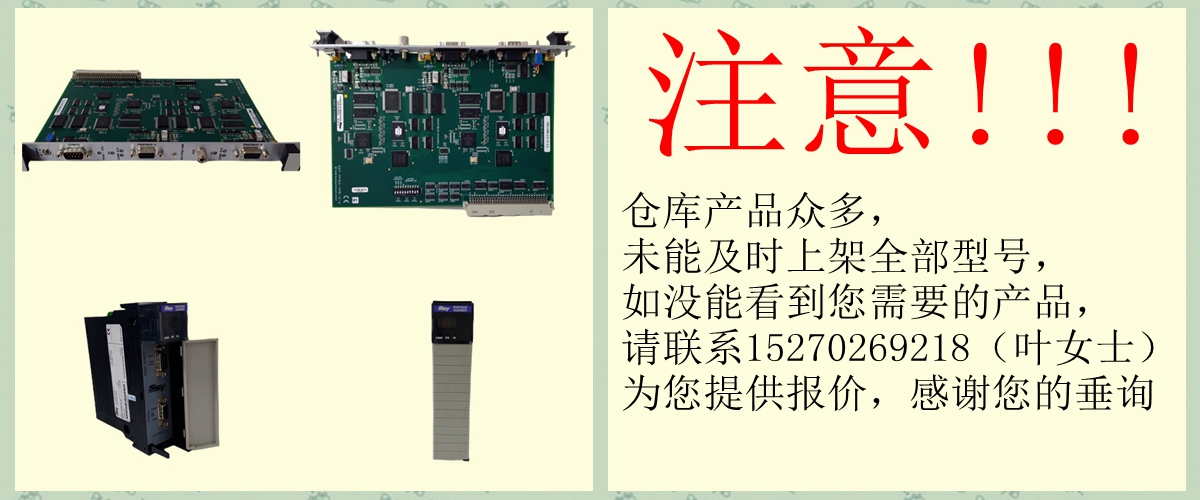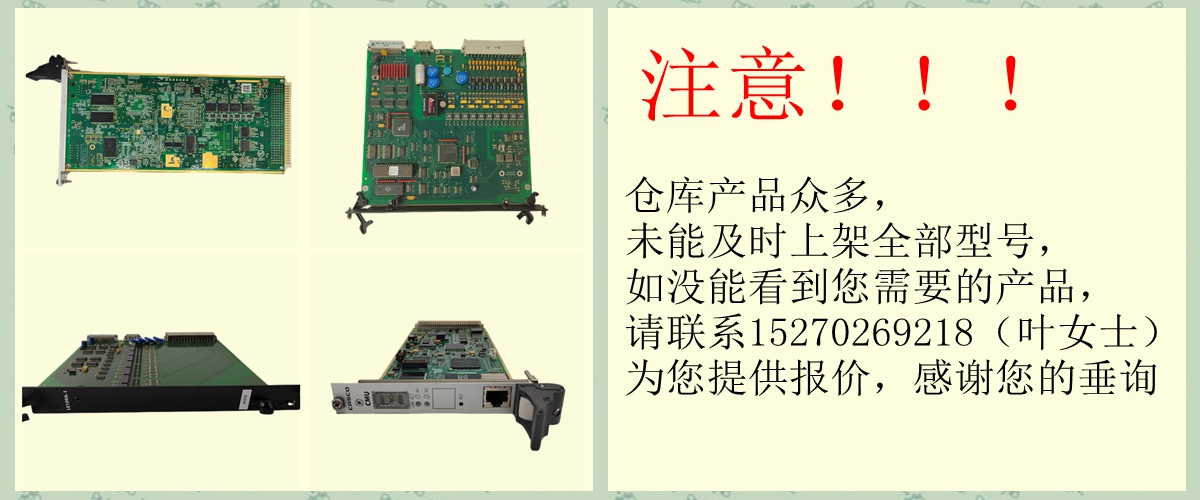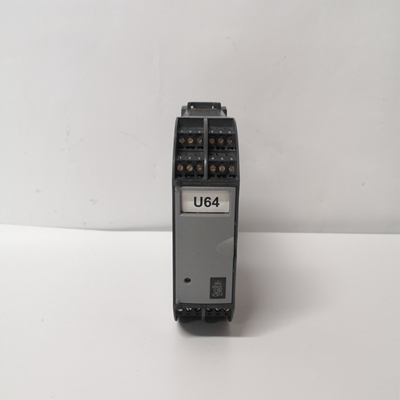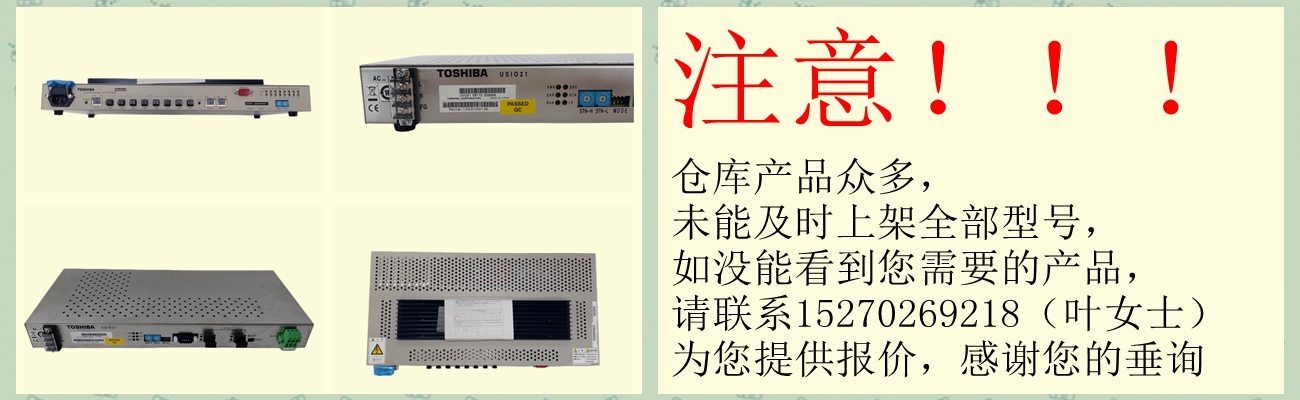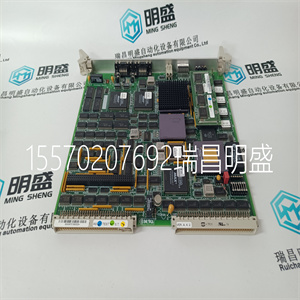
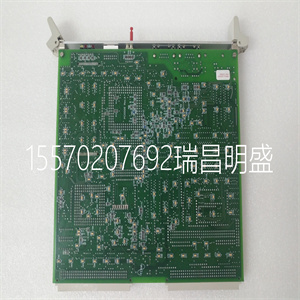


TEAM BG0090
•节奏轻快,提供了许多机会
对于在不同阶段取得进步的个别学生
学习率。
•分配材料的程序是无缝的。
•过渡期间不会损失任何教学时间。
•起搏是适当的,有时提供:
为在学校取得进步的学生提供的机会
不同的学习率。
•分发材料的程序是有效的。
•在过渡过程中几乎不会损失教学时间。
•起搏适用于不到一半的患者
学生,很少为他们提供机会
学习进度不同的学生。
•分发材料的程序效率低下。
•过渡期间损失了大量时间。
活动
和材料
活动和材料包括以下所有内容:
o支持课程目标;
o具有挑战性;
o保持学生的注意力;
o引发各种各样的思考;
o为思考提供时间;
o与学生生活相关;
o为学生之间的交流提供机会
相互作用
o激发学生的好奇心和悬念;
o为学生提供选择;
o整合多媒体和技术;和
o整合校外资源
课程文本(例如,教师制作)
来自
博物馆、文化中心等)。
•此外,有时活动类似于游戏,
涉及模拟,需要创建产品,
并要求自我指导和自我监控。
•活动的优势需求复杂
思考和分析。
•文本和任务相当复杂。
活动和材料包括以下大部分:
o支持课程目标;
o具有挑战性;
o保持学生的注意力;
o引发各种各样的思考;
o为思考提供时间;
o与学生生活相关;
o为学生之间的交流提供机会
相互作用
o激发学生的好奇心和悬念;
o为学生提供选择;
o整合多媒体和技术;和
o整合校外资源
课程文本(例如,教师制作)
来自
博物馆、文化中心等)。
•文本和任务相当复杂。
活动和材料包括以下几项:
o支持课程目标;
o具有挑战性;
o保持学生的注意力;
o引发各种各样的思考;
o为思考提供时间;
o与学生生活相关;
o为学生之间的交流提供机会
相互作用
o激发学生的好奇心和悬念;
o为学生提供选择;
o整合多媒体和技术;和
o整合校外资源
课程文本(例如,教师制作)
来自
博物馆等)。
提问教师问题是多样的和高质量的,
提供问题类型的平衡组合:
o知识和理解;
o应用和分析;和
o创建和评估。
•要求学生定期引用的问题
这是贯穿整个课程的证据。
•问题始终是有目的的,并且
连贯的
•提问频率高。
•问题始终按顺序排列
关注教学目标。
•经常需要积极回答的问题(例如。,
教师提问内容丰富,质量高
提供一些但不是全部问题类型:
o知识和理解;
o应用和分析;和
o创建和评估。
•问题通常要求学生引用
根据
•问题通常是有目的和连贯的。
•提问频率适中。
•问题有时按顺序排列
关注教学目标。
•问题有时需要积极回应
(例如,全班信号、合唱响应或
教师提问的质量和质量不一致
包括几个问题类型:
o知识和理解;
o应用和分析;和
o创建和评估。
•问题是随机的,缺乏连贯性。
•提问频率较低。
•问题很少按顺序排列,注意:
教学目标。
•问题很少需要积极回答(例如:
TEAM BG0090
TEAM BG0090
• Pacing is brisk and provides many opportunities for individual students who progress at different learning rates. • Routines for distributing materials are seamless. • No instructional time is lost during transitions. • Pacing is appropriate and sometimes provides opportunities for students who progress at different learning rates. • Routines for distributing materials are efficient. • Little instructional time is lost during transitions. • Pacing is appropriate for less than half of the students and rarely provides opportunities for students who progress at different learning rates. • Routines for distributing materials are inefficient. • Considerable time is lost during transitions. Activities and Materials Activities and materials include all of the following: o support the lesson objectives; o are challenging; o sustain students’ attention; o elicit a variety of thinking; o provide time for reflection; o are relevant to students’ lives; o provide opportunities for student-to-student interaction; o induce student curiosity and suspense; o provide students with choices; o incorporate multimedia and technology; and o incorporate resources beyond the school curriculum texts (e.g., teacher-made materials, manipulatives, resources from museums, cultural centers, etc.). • In addition, sometimes activities are game-like, involve simulations, require creating products, and demand self-direction and self-monitoring. • The preponderance of activities demand complex thinking and analysis. • Texts and tasks are appropriately complex. Activities and materials include most of the following: o support the lesson objectives; o are challenging; o sustain students’ attention; o elicit a variety of thinking; o provide time for reflection; o are relevant to students’ lives; o provide opportunities for student-to-student interaction; o induce student curiosity and suspense; o provide students with choices; o incorporate multimedia and technology; and o incorporate resources beyond the school curriculum texts (e.g., teacher-made materials, manipulatives, resources from museums, cultural centers, etc.). • Texts and tasks are appropriately complex. Activities and materials include few of the following: o support the lesson objectives; o are challenging; o sustain students’ attention; o elicit a variety of thinking; o provide time for reflection; o are relevant to students’ lives; o provide opportunities for student to student interaction; o induce student curiosity and suspense; o provide students with choices; o incorporate multimedia and technology; and o incorporate resources beyond the school curriculum texts (e.g., teacher made materials, manipulatives, resources from museums, etc.). Questioning Teacher questions are varied and high-quality, providing a balanced mix of question types: o knowledge and comprehension; o application and analysis; and o creation and evaluation. • Questions require students to regularly cite evidence throughout lesson. • Questions are consistently purposeful and coherent. • A high frequency of questions is asked. • Questions are consistently sequenced with attention to the instructional goals. • Questions regularly require active responses (e.g., Teacher questions are varied and high-quality providing for some, but not all, question types: o knowledge and comprehension; o application and analysis; and o creation and evaluation. • Questions usually require students to cite evidence • Questions are usually purposeful and coherent. • A moderate frequency of questions asked. • Questions are sometimes sequenced with attention to the instructional goals. • Questions sometimes require active responses (e.g., whole class signaling, choral responses, or Teacher questions are inconsistent in quality and include few question types: o knowledge and comprehension; o application and analysis; and o creation and evaluation. • Questions are random and lack coherence. • A low frequency of questions is asked. • Questions are rarely sequenced with attention to the instructional goals. • Questions rarely require active responses (e.g
Copyright ©2019-2022 瑞昌明盛自动化设备有限公司 版权所有 赣ICP备2021006016号