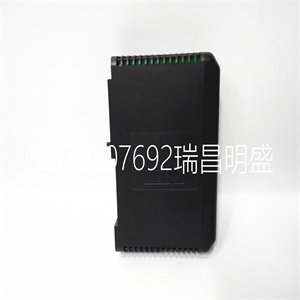
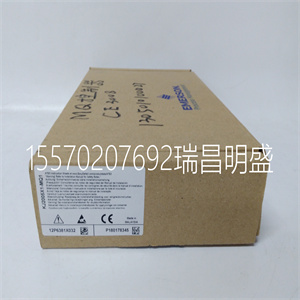
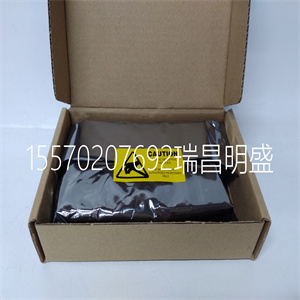


5X00167G01
工业工厂中常见的大多数噪声与以下因素有关:
电力线频率及其低谐波或开关瞬变。模拟
信号的频率通常低于每秒一个周期,而数字
设备和控制器之间的信号出现在0到数百万个周期之间
第二
模拟和数字信号都可以通过消除
来自外部噪声源(如开关瞬变)的频率含量,因为
瞬变不包含低于0.5MHz频率的可观能量。低的
通过滤波可用于从电源线或
并且用于从瞬态噪声中恢复数字信号。图2-2
显示了这两种类型噪声的示例。
来源(信号和噪声)
当初生成信号时,大多数信号相对无噪声。大部分
接收信号上存在的噪声已在其
传输信号源和布线与噪声的隔离和隔离
源作为恢复手段非常有效。该技术以及
前面提到的低通滤波用于将恢复问题减少到
振幅或能级鉴别之一。
图2-2.典型噪声信号
中压
60
50
40
30
20
10
0
-10
电源线
频率噪声
0伏参考电压
期望信号
转瞬即逝的
噪音
上述信号显示为30mV电平,两者均为:
14mV RMS(60Hz)和瞬态噪声。
噪声小化技术
R3-1150(第3版)2-4 2/03
艾默生过程管理专有2C类
2-4.噪声源
以下设备和电路是常见的噪声源:
•感应装置,如继电器和螺线管
•交流和直流电源电路和接线
•开关设备
•快速上升时间源:晶闸管和某些固态开关电路
•变频或可变电流装置
2-5.噪声等级
信号和电源电路、布线和电缆被归类为高电平或
低电平噪声和干扰源。每类噪声的定义如下:
如表2-1所示。
有关噪声方面的现场布线选择和间距的详细信息,请参阅
至“规划和安装您的Ovation系统”(适用于FDDI的U3-1000和U3-1005
用于快速以太网)。
表2-1.噪声等级定义
噪声等级定义
H高包括AC/DC信号:
a、 110VAC,115VAC,15A以下,制动器和磁场除外。
b、 高达100A、500VDC或440VAC,包括制动器和磁场。
c、 超过100A、500VDC、440VAC。
d、 2.3kV及以上。
M介质包括大于48V的数字I/O信号。
L低包括24/48V数字I/O信号和触点输入。
Q非常低,包括模拟I/O信号以及高速数字脉冲输入
计数电路和数据链路。
5X00167G01
5X00167G01
Most of the noise commonly encountered in industrial plants is related either to the power line frequency and its low harmonics, or to switching transients. The analog signals are usually lower in frequency than one cycle per second, while the digital signals between plant and Controller appear from zero to millions of cycles per second. Both analog and digital signals can be discriminated easily by eliminating frequency content from external noise sources, such as switching transients, since the transients do not contain appreciable energy below 0.5 MHz frequency. Low pass filtering is useful in recovering analog signals from either power line or transient noise and for recovering digital signals from transient noise. Figure 2-2 shows an example of these two types of noise. Sources (Signal and Noise) When signals are originally generated, most are relatively noise-free. The bulk of the noise present on a received signal has been added to the signal during its transmission. Isolation and segregation of signal sources and wiring from noise sources is highly effective as a recovery means. This technique, as well as the low-pass filtering previously mentioned, serves to reduce the recovery problem to one of amplitude or energy level discrimination. Figure 2-2. Typical Noisy Signal mV 60 50 40 30 20 10 0 -10 Power Line Frequency Noise 0 Volt Reference Desired Signal Transient Noise The signal above is shown at a 30mV level with both 14 mV RMS (60 Hz) and transient noise. Noise Minimization Techniques R3-1150 (Rev 3) 2-4 2/03 Emerson Process Management Proprietary Class 2C 2-4. Noise Sources The following devices and circuits are common sources of noise: • Inductive devices, such as relays and solenoids • AC and DC power circuits, and wiring • Switchgear • Fast-rise-time sources: thyristors and certain solid-state switching circuits • Variable-frequency or variable current devices 2-5. Noise Classes Signal and power circuits, wiring, and cables are classified as high-level or low-level sources of noise and interference. A definition of each class of noise is given in Table 2-1. For details on the selection and spacing of field wiring with respect to noise, refer to “Planning and Installing Your Ovation System” (U3-1000 for FDDI and U3-1005 for Fast Ethernet). Table 2-1. Noise Class Definitions Noise Class Level Definition H High Includes AC/DC signals: a. 110VAC, 115VAC under 15A except brakes and fields. b. Up to 100A, 500VDC or 440VAC including brakes and fields. c. Over 100A, 500VDC, 440VAC. d. 2.3kV and over. M Medium Includes digital I/O signals greater than 48V. L Low Includes 24/48V digital I/O signals, and contact input. Q Very Low Includes analog I/O signals as well as digital pulse inputs to high-speed counting circuits and data links.
Copyright ©2019-2022 瑞昌明盛自动化设备有限公司 版权所有 赣ICP备2021006016号