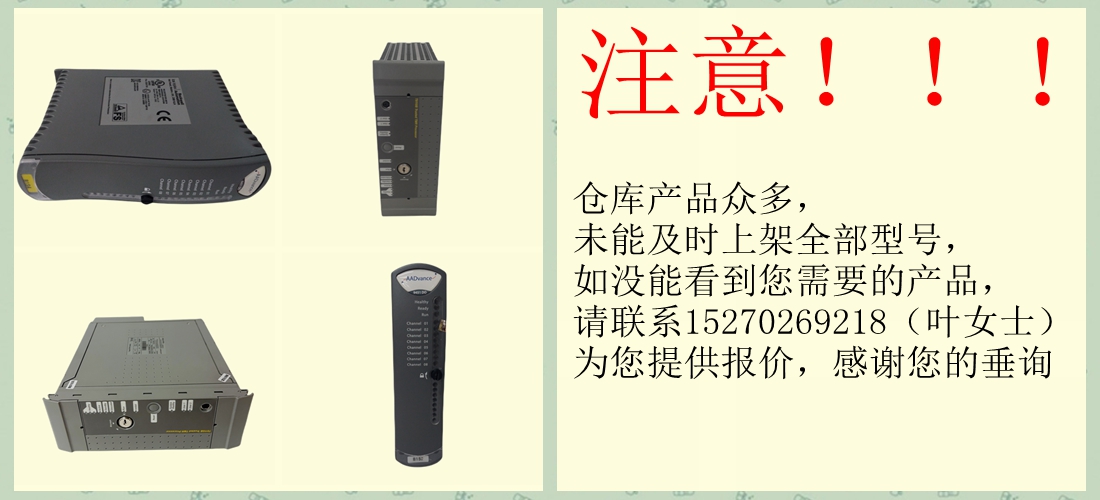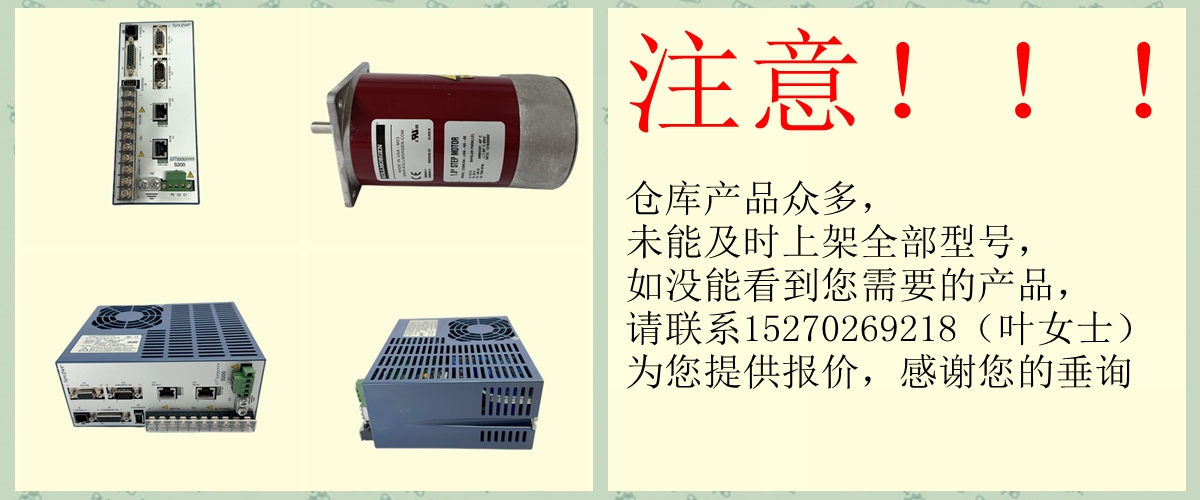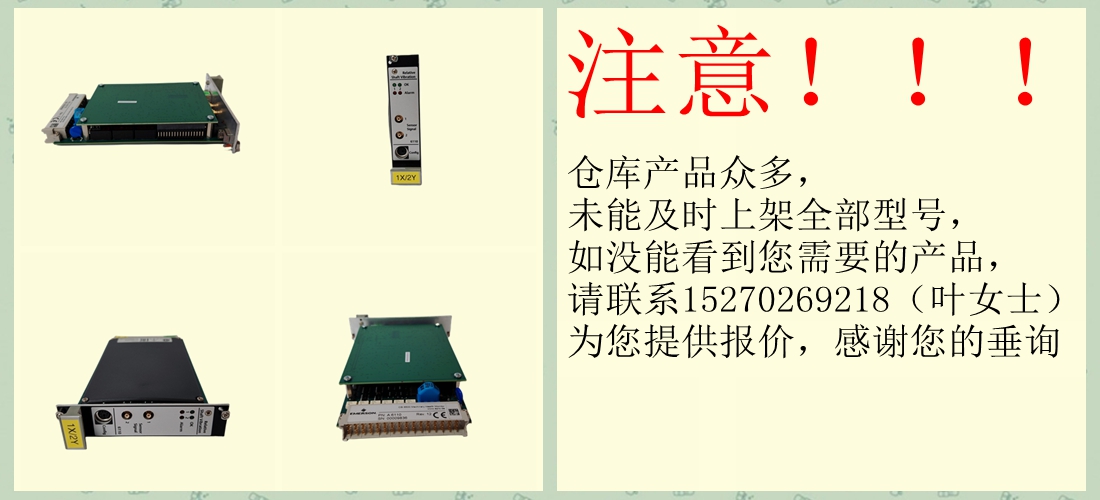


1C31189G01
In a typical scenario, the user would determine the voltage required to null the servo spool; i.e., overcome the mechanical bias adjustment. Let,s assume the value is –200 mV. The user would then set exitSeatVal to –200 mV plus an arbitrary amount in the direction of valve closure, 100 mV perhaps. So, the user would set exitSeatVal to –100 mV. Also, assume the user leaves the other associated constants to their default values. When seating is entered, the servo output goes to +10 volts and will remain there for at least 10 seconds. When the 10 second timer expires, and when position feedback is within 2 percent of the target position (probably 0), the servo output ramps from 10 volts to –100 mV at 10% per second. Ten volts is about 50% of output range, so the servo output would return to –100 mV after 5 seconds. At –100 mV, the servo spool is letting a small amount of fluid escape, thus closing the valve. If the target position went higher, thus removing the RSR from seating, the servo output would be readily available to begin to move the valve, and would not rely on integral action to bring it from 10 volts back to 0. When the RSR is moving between these various modes, the PI tracks the output when it is begin driven by one of the non-normal modes such as seating. Therefore, the transition back to normal operation is bumpless. If the system is not properly tuned, the valve could start to go open when the servo output reaches the retreat value. If this occurs and ABS|Target-Feedback| > posErrorRetreat, a bit is set in register D to announce the condition. The RSR sends the output back to the rail and will not allow the channel to retreat again until seating is exited. The user should ensure that the bits in register D generate alarms to notify the operator should this occur. Page 22-18, Add the following section after Section 22-8.2 “PI Position Control”: 22-8.3 CASCADE PI MODE Cascading of the PI controllers can be selected by entering “CASCADE = 1” and saving the setting by typing “SC”. When cascading is selected, the +100% to -100% output of PI 1 is converted to -100% to 0% target position. This target position value is then used as the target position, or demand, for PI 2. Page 22-20, Delete Section 22-9.7 “Controller Tracking”: Page 22-24, Delete Section 22-10.3 “Configuration”: Page 22-26, Add the following information in Table 22-6 “Tuning Constant Commands:” Command Description retreatRate % per second rate of output retreat. DIRECT =1 PI mode. In direct mode (DIRECT=1) the output goes in a direction with respect to target position. In indirect mode (DIRECT=0) the output goes negative when target position moves negative with respect to position feedback. posErrorRetreat=2.0 The output will not retreat until ABS| posFB - TargetPos| < posErrorRetreat
1C31189G01
1C31189G01
In a typical scenario, the user would determine the voltage required to null the servo spool; i.e., overcome the mechanical bias adjustment. Let,s assume the value is –200 mV. The user would then set exitSeatVal to –200 mV plus an arbitrary amount in the direction of valve closure, 100 mV perhaps. So, the user would set exitSeatVal to –100 mV. Also, assume the user leaves the other associated constants to their default values. When seating is entered, the servo output goes to +10 volts and will remain there for at least 10 seconds. When the 10 second timer expires, and when position feedback is within 2 percent of the target position (probably 0), the servo output ramps from 10 volts to –100 mV at 10% per second. Ten volts is about 50% of output range, so the servo output would return to –100 mV after 5 seconds. At –100 mV, the servo spool is letting a small amount of fluid escape, thus closing the valve. If the target position went higher, thus removing the RSR from seating, the servo output would be readily available to begin to move the valve, and would not rely on integral action to bring it from 10 volts back to 0. When the RSR is moving between these various modes, the PI tracks the output when it is begin driven by one of the non-normal modes such as seating. Therefore, the transition back to normal operation is bumpless. If the system is not properly tuned, the valve could start to go open when the servo output reaches the retreat value. If this occurs and ABS|Target-Feedback| > posErrorRetreat, a bit is set in register D to announce the condition. The RSR sends the output back to the rail and will not allow the channel to retreat again until seating is exited. The user should ensure that the bits in register D generate alarms to notify the operator should this occur. Page 22-18, Add the following section after Section 22-8.2 “PI Position Control”: 22-8.3 CASCADE PI MODE Cascading of the PI controllers can be selected by entering “CASCADE = 1” and saving the setting by typing “SC”. When cascading is selected, the +100% to -100% output of PI 1 is converted to -100% to 0% target position. This target position value is then used as the target position, or demand, for PI 2. Page 22-20, Delete Section 22-9.7 “Controller Tracking”: Page 22-24, Delete Section 22-10.3 “Configuration”: Page 22-26, Add the following information in Table 22-6 “Tuning Constant Commands:” Command Description retreatRate % per second rate of output retreat. DIRECT =1 PI mode. In direct mode (DIRECT=1) the output goes in a direction with respect to target position. In indirect mode (DIRECT=0) the output goes negative when target position moves negative with respect to position feedback. posErrorRetreat=2.0 The output will not retreat until ABS| posFB - TargetPos| < posErrorRetreat
Copyright ©2019-2022 瑞昌明盛自动化设备有限公司 版权所有 赣ICP备2021006016号