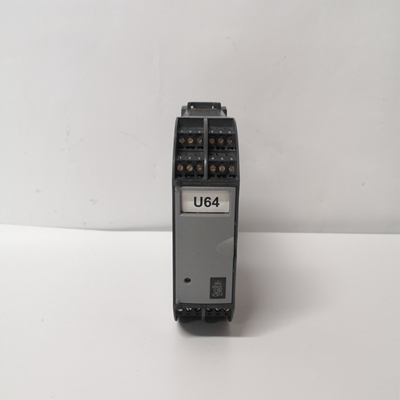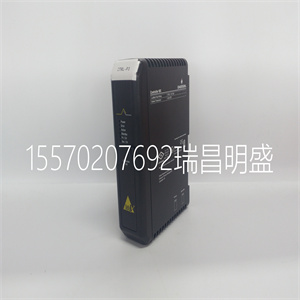
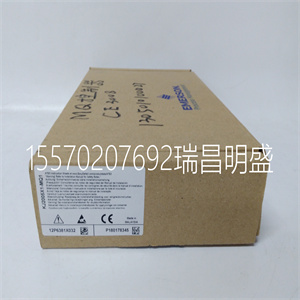
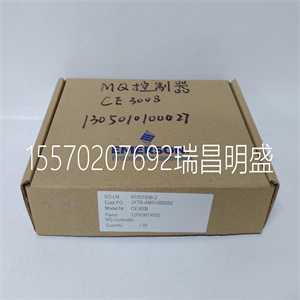


1C31129G04
在14节(IPU-237)中添加以下更改:
14-15页,在表14-11中,关于LED 1-8,添加以下内容:
如果模拟通道正常,LED将点亮。然后,如果HART消息交换
正确发生时,LED将闪烁100毫秒。如果模拟信道正常,以及
如果模块发送消息但未收到正确响应,则LED闪烁
关闭400毫秒。
IPU-247 13
艾默生过程管理专有2C类
在19节中添加以下更改:
19-3页,将表19-3替换为以下内容:
规模
#
(六角)导线类型
临时雇员
属于
临时雇员
oC
冷电阻
(欧姆)
罗特
(欧姆)
激发
现在的
(马)
确
±
±计数
确
百分之±
跨度
1 3 10欧姆
PL
0至
1200
–18至
649
6 106.3 0.1556 9 0.22
2、3、10欧姆
铜
0至
302
–18至
150
8.5 16.5 1.51 13 0.32
D350欧姆
铜
32至
284
0至
140
50 80 1.0756 11 0.27
11 3 50欧姆
铜
32至
230
0至
110
53 78 1.1291 12 0.30
19 3 100
欧姆PL
–4至
334
–16至
168
92 163.6
7.
0.5121 11 0.27
22 3 100
欧姆PL
32至
520
0至
269
100 200 0.4087 10 0.25
23 3 100
欧姆PL
32至
1040
0至
561
100 301 0.2554 10 0.25
25 3 120
欧姆镍
12至
464
–11至
240
109 360 0.2104 10 0.25
26 3 120
欧姆镍
32至
150
0至
70
120 170 0.5240 13 0.32
28 3 120
欧姆镍
32至
278
0至
122
120 225 0.3682 11 0.27
80 4 100
欧姆PL
32至
544
0至
290
100 208 0.3921 10 0.25
81 4 100
欧姆PL
356至
446
180至
230
168 186 0.5240 30 0.74
82 4 200
欧姆PL
32至
698
0至
370
200 473 0.1675 12 0.30
83 4 200
欧姆PL
514至
648
268至
342
402 452 0.2142 29 0.71
84 4 100
欧姆PL
32至
124
0至
51
100 120 0.7860 19 0.47
85 4 100
欧姆PL
32至
217
0至
103
100 140 0.6386 13 0.32
86 4 100
欧姆PL
32至
412
0至
211
100 180 0.4644 11 0.27
87 4 100
欧姆PL
32至
714
0至
379
100 240 0.3296 10 0.25
88 4 120
欧姆PL
511至
662
266至
350
200 230 0.4170 24 0.59
14 IPU-247
艾默生过程管理专有2C类
在22节中添加以下更改:
22-2页,在二段之后添加以下信息(双通道…序列)
22-2节(操作):
从版本0C开始,RSR固件支持级联PI配置,其中
PI 1的输出用作PI 2的目标位置输入
级联操作是选择直接/间接PI操作的标志,以及反饱和操作
这一功能被称为“撤退”。这些新特征中的一些实际上独立于级联,
但所有这些都在本文档中详细描述。
22-9页,删除二段(任意)之后的所有剩余段落(六段)
限制…10.0伏。)在校准模式部分下的完整校准项目符号中:
22-9页,添加以下信息,以取代上述项目中删除的段落:
当要求完全校准时,阀门首先移动至0%。0%时,解调器增益为
直到反馈电压接近10伏。此时的解调器增益为:
大可能解调器增益。
则阀门移动到100%。如果电压大于10伏或偏离刻度,
降低解调器增益,并读取电压。这个读数是
100%校准阀。
然后阀门移动到0%,并读取电压读数。该读数为0%
校准值。
确定0%校准阀后,将新值写入EE存储器。
22-17页,在22-8节(阀位控制)下,将“阀座和
后座”与以下内容:
22-8.1座位、后座和后退
座椅和后座功能相似,但座椅关闭
阀门,后座打开阀门。因此,仅描述了座椅。
撤退是一种反饱和功能。重要的是要记住,当RSR伺服
输出接近0伏,阀门处于静止状态。当伺服输出从
中点,阀门移动到所需位置,伺服输出返回到near
0伏。
退避是在就座后发生的一种特征。它是高度可编程的。
当目标位置小于座位限制时,RSR进入座位模式。在这个
模式RSR希望尽快关闭阀门。它通过驾驶来实现这一点
输出在阀门关闭的方向上难以到达导轨。
定时器到期后(ReturnHoldt)以及阀门位置关闭后,发生后退
到达RSR想要的位置(ABS|目标反馈|<posErrorRetreat)。当阀门
后退时,伺服输出从导轨返回到编程值(exitSeatVal)
预定义速率(后退速率)
1C31129G04
1C31129G04
Add the Following Changes to Section 14 (IPU-237)
Page 14-15, In Table 14-11, regarding LED’s 1-8 add the following:
If the analog channel is healthy, the LED is illuminated. Then, if a HART message exchange
occurs correctly, the LED is blinked off for 100 mSec. If the analog channel is healthy, and
if the module sends a message and does not receive a correct response, the LED is blinked
off for 400 mSec.
IPU-247 13
Emerson Process Management Proprietary Class 2C
Add the Following Changes to Section 19
Page 19-3, Replace Table 19-3 with the following:
Scale
#
(HEX) Wires Type
Temp
oF
Temp
oC
Rcold
(ohm)
Rhot
(ohm)
Excitation
current
(ma)
Accuracy
±
±counts
Accuracy
± ±% of
SPAN
1 3 10 Ohm
PL
0 to
1200
–18 to
649
6 106.3 0.1556 9 0.22
2 3 10 Ohm
CU
0 to
302
–18 to
150
8.5 16.5 1.51 13 0.32
D 3 50 Ohm
CU
32 to
284
0 to
140
50 80 1.0756 11 0.27
11 3 50 Ohm
CU
32 to
230
0 to
110
53 78 1.1291 12 0.30
19 3 100
Ohm PL
–4 to
334
–16 to
168
92 163.6
7
0.5121 11 0.27
22 3 100
Ohm PL
32 to
520
0 to
269
100 200 0.4087 10 0.25
23 3 100
Ohm PL
32 to
1040
0 to
561
100 301 0.2554 10 0.25
25 3 120
Ohm NI
12 to
464
–11 to
240
109 360 0.2104 10 0.25
26 3 120
Ohm NI
32 to
150
0 to
70
120 170 0.5240 13 0.32
28 3 120
Ohm NI
32 to
278
0 to
122
120 225 0.3682 11 0.27
80 4 100
Ohm PL
32 to
544
0 to
290
100 208 0.3921 10 0.25
81 4 100
Ohm PL
356 to
446
180 to
230
168 186 0.5240 30 0.74
82 4 200
Ohm PL
32 to
698
0 to
370
200 473 0.1675 12 0.30
83 4 200
Ohm PL
514 to
648
268 to
342
402 452 0.2142 29 0.71
84 4 100
Ohm PL
32 to
124
0 to
51
100 120 0.7860 19 0.47
85 4 100
Ohm PL
32 to
217
0 to
103
100 140 0.6386 13 0.32
86 4 100
Ohm PL
32 to
412
0 to
211
100 180 0.4644 11 0.27
87 4 100
Ohm PL
32 to
714
0 to
379
100 240 0.3296 10 0.25
88 4 120
Ohm PL
511 to
662
266 to
350
200 230 0.4170 24 0.59
14 IPU-247
Emerson Process Management Proprietary Class 2C
Add the following Changes to Section 22
Page 22-2, Add the following information after the second paragraph (The dual-channel...sequence.)
in Section 22-2 (Operation):
Starting with revision 0C, RSR firmware supports a cascaded PI configuration in which the
output of PI 1 is used as the target position input for PI 2. Additional features to support
cascading operation are flags to select direct/indirect PI operation, and an anti-windup
feature called “retreat”. Some of these new features are actually independent of cascading,
but all are described in detail in this document.
Page 22-9, Delete all of the remaining paragraphs (six) after the second paragraph (Arbitrary
limits...10.0 volts.) in the Full Calibration bullet under the Calibrate Mode Section:
Page 22-9, Add the following information in place of the deleted paragraphs in above item:
When full calibration is requested, the valve first travels to 0%. At 0%,demodulator gain is
adjusted until the feedback voltage is near 10 volts. The demodulator gain at this point is
the maximum possible demodulator gain.
Then the valve travels to 100%. If the voltage is greater than 10 volts, or off-scale,
demodulator gain is reduced, and a reading of the voltage is taken. This reading is the
100% calibration valve.
Then the valve travels to 0% and a voltage reading is taken. This reading is the 0%
calibration value.
After the 0% calibration valve is determined, the new values are written to EE memory.
Page 22-17, Under Section 22-8 (Valve Position Control), replace the Section “Seating and
Backseating” with the following:
22-8.1 SEATING, BACKSEATING, AND RETREAT
Seating and BackSeating are similar functions, with the exception that Seating closes the
valve, and BackSeating opens it. Therefore, only Seating is described.
Retreat is an anti-windup function. It is important to remember that when the RSR servo
output is near 0 volts, the valve is stationary. When the servo output moves away from the
midpoint, the valve moves to the desired position, and the servo output goes back to near
0 volts.
Retreat is a feature that occurs after Seating. It is highly programmable.
When the target position is less than seatLimit, the RSR goes into a seating mode. In this
mode the RSR wants to close the valve as fast as possible. It accomplishes this by driving
the output hard to the rail in the direction of valve closure.
Retreat occurs after a timer has expired (retreatHoldT), and once the valve position is close
to where the RSR wants it to be (ABS|Target-Feedback| < posErrorRetreat). When a valve
retreats, the servo output goes from the rail to a programmed value (exitSeatVal) at a
predefined rate (retreatRate)
Copyright ©2019-2022 瑞昌明盛自动化设备有限公司 版权所有 赣ICP备2021006016号