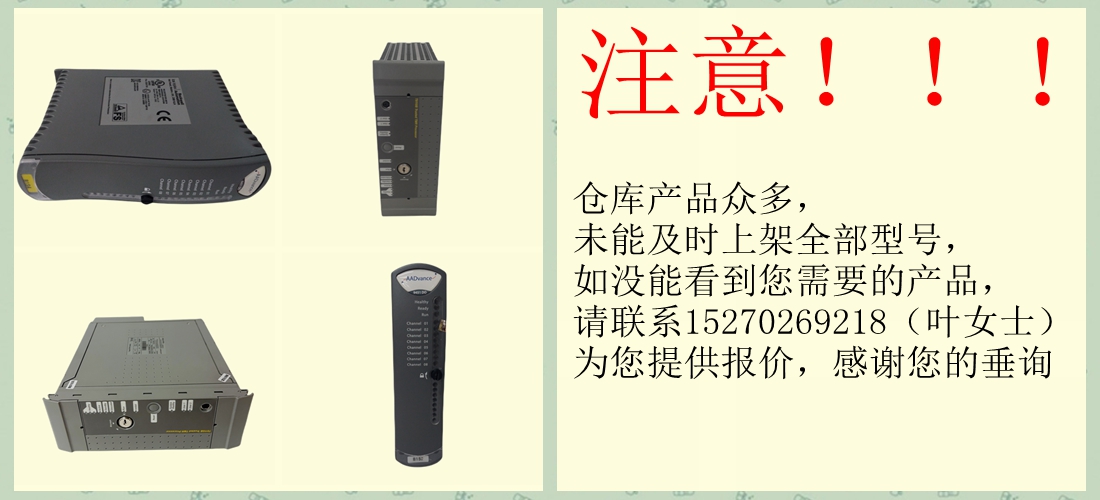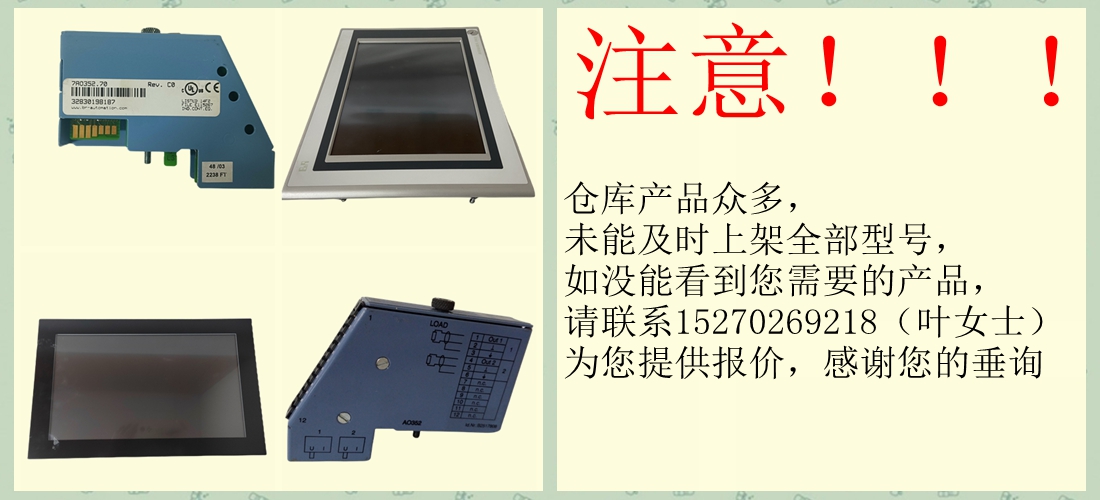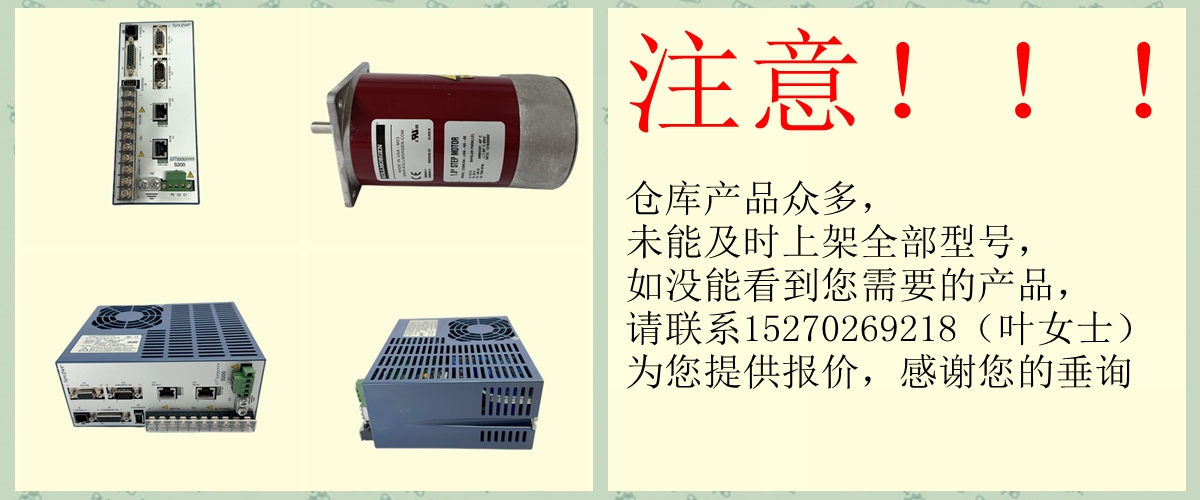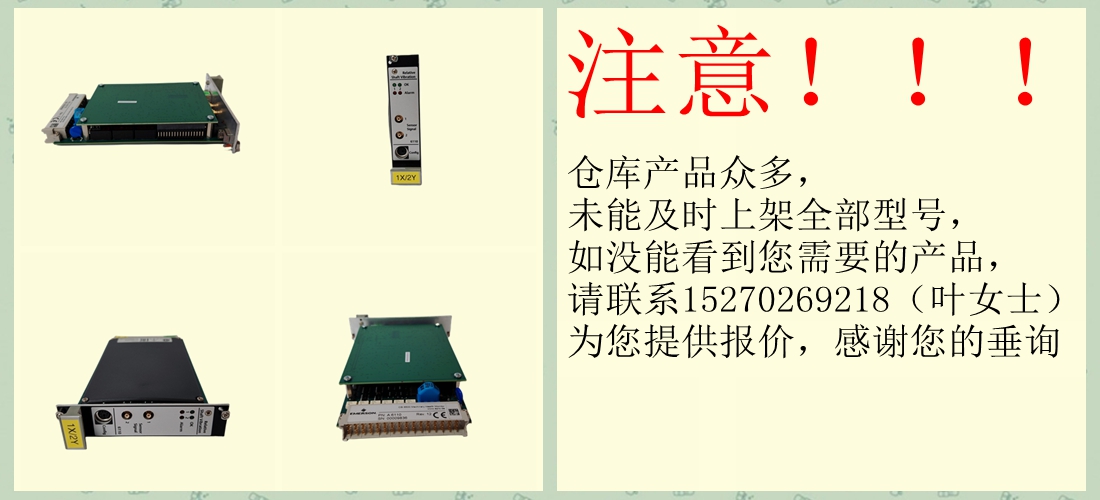
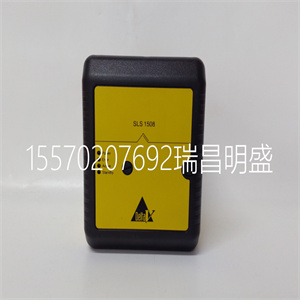


5X00134G01
EF 542plus开关间保护和控制单元
手册第3部分:安装和调试
1VTA10004 en DMS,2001-10-04参考542 Plus:安装和调试20/80
图7:HMI控制单元的电源和通信连接
表9:HMI控制单元上的连接器
连接器描述类型
X10电源辅助电压2引脚Weidmueller-BLAT2BSNOR
X20 RS485接口至中央第九单元9针外螺纹D-sub连接器
4.2.4连接REF542plus
遵循接线提供的间隔文档。
总之,可以进行以下段落中描述的检查,以确保接线正确安装。
4.2.4.1检查电流互感器电路
检查电流互感器和电流互感器电路是否接线
正确地运行以下检查:
极性检查
极性检查(尽可能靠近REF542plus)用于检查电流电路以及传感器的安装位置和极性。传感器之间的极性也可以通过负载电流进行检查。
带大电流源的电流馈送(主测试仪器)。
电流馈送提供关于传感器转换和REF542plus的正确接线的信息。电源应按导线和线路供电
在每种情况下从导体到导体。所有线路电流和剩余电流
应该在这里检查。
还可以使用负载电流检查传感器变换。
记录磁化特性
记录磁化特性可确保连接REF542plus
连接到保护芯而不是测量芯。
检查传感器电路接地
每个独立电流电路可以仅在一个点接地,以防止由电位差引起的平衡电流。
检查电缆电流互感器(使用时)的接地情况
如果中性点电流由电缆电流互感器测量,则电缆屏蔽
应首先通过电缆电流互感器返回,然后再将其连接到
地面。
这使得沿电缆护套流动的弱接地故障电流得以消散。这样,它们不会在自己的继电器馈线上被错误地测量。这个
下面显示了电缆电流互感器接地的另一个视图。
REF 542plus开关间保护和控制单元
手册第3部分:安装和调试
1VTA10004 en DMS,2001-10-04参考542 Plus:安装和调试21/80
电缆电流互感器
屏蔽
出料
二次测量线
图8:电缆电流互感器的接地
4.2.4.2检查电压互感器电路
检查电压互感器和电压互感器电路是否接线
正确地运行以下检查:
极性检查
接线检查
检查变压器电路接地
检查电压互感器的中性点接地电压(使用时)。
要测量接地故障,请按以下步骤进行:电压被称为
接地故障测量的中性点接地电压,在开路三角形绕组端子“e”和“n”之间的网络中发生金属接地故障时。
在相L1中发生金属接地故障的情况下,外部相到中性点的电压出现在相L2和L3中,而不是导体接地电压。他们是
以几何方式添加,并产生端子“e”和
“n”。
4.2.4.3检查辅助电压
辅助电压必须在电源模块的公差范围内,并且
在所有操作条件下具有正确的极性。
4.2.4.4检查跳闸和信号触点
按照间隔文件所示进行检查
5X00134G01
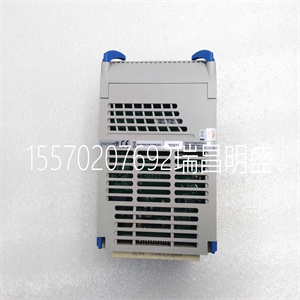
5X00134G01
EF 542plus switchbay protection and control unit
Manual Part 3: Installation and Commissioning
1VTA100004-en DMS,2001-10-04 REF542plus: Installation and Commissioning 20 / 80
Figure 7: Power Supply and communication connection for HMI Control Unit
Table 9: Connectors on HMI Control Unit
Connector Descriptions Type
X10 Auxiliary voltage for power supply 2 pin Weidmueller BLAT2BSNOR
X20 RS485 interface to Central Unit 9 pin male D-sub connector
4.2.4 Wiring the REF542plus
Follow the bay documentation supplied for the wiring.
In conclusion, the checks described in the following paragraphs can be done to ensure that the wiring is correctly installed.
4.2.4.1 Checking the current transformer circuits
To check that the current transformer and the current transformer circuits are wired
correctly, run the following checks:
Polarity check
The polarity check (as close as possible to the REF542plus) is used to check the current circuit and also the installation position and the polarity of the transducer. The polarity of the transducers to one another can also be checked with load current.
Current feed with heavy current source (primary test instrument).
The current feed provides information on the transducer transformation and the correct wiring to the REF542plus. The power supply should be per conductor and run
from conductor to conductor in each case. All line currents and the residual current
should be checked here.
The transducer transformation can also be checked with load current.
Recording the magnetizing characteristic
Recording the magnetizing characteristic ensures that the REF542plus is connected
to a protective core and not to a measuring core.
Checking the transducer circuit ground
Every independent current circuit may be grounded at only one point to prevent balancing currents resulting from potential differences.
Check the grounding of the cable current transformer (when used)
If the neutral current is measured by a cable current transformer, the cable shielding
should first be returned through the cable current transformer before connecting it to
the ground.
This enables weak ground faults currents that flow along the cable sheath to dissipate. In this way, they will not be incorrectly measured at their own relay feeder. The
following shows another view of the cable current transformer grounding.
REF 542plus switchbay protection and control unit
Manual Part 3: Installation and Commissioning
1VTA100004-en DMS,2001-10-04 REF542plus: Installation and Commissioning 21 / 80
Cable current transformer
Shielding
Out-feed
Secondary measurement line
Figure 8: Grounding of a cable current transformer
4.2.4.2 Check the voltage transformer circuits
To check that the voltage transformer and the voltage transformer circuits are wired
correctly, run the following checks:
Polarity check
Wiring check
Check the transformer circuit grounding
Check the voltage transformer for neutral point-ground voltage (when used).
To measure ground faults please proceed as follows: The voltage is referred to as
neutral point-ground voltage of a ground fault measurement when it occurs with a metallic ground fault in the network between terminals "e“ and "n“ of the open delta winding.
In the event of a metallic ground fault in phase L1, the external phase-to-neutral voltages occur in phases L2 and L3 instead of the conductor-ground voltages. They are
added geometrically and yield three times the amplitude between terminals "e“ and
"n“.
4.2.4.3 Checking the auxiliary voltage
The auxiliary voltage must be in the tolerance range of the power supply module and
have the proper polarity under all operating conditions.
4.2.4.4 Check the tripping and signaling contacts
Conduct this check as shown in the bay documentation
Copyright ©2019-2022 瑞昌明盛自动化设备有限公司 版权所有 赣ICP备2021006016号